How to Start a Holistic Food Lifestyle for Better Health
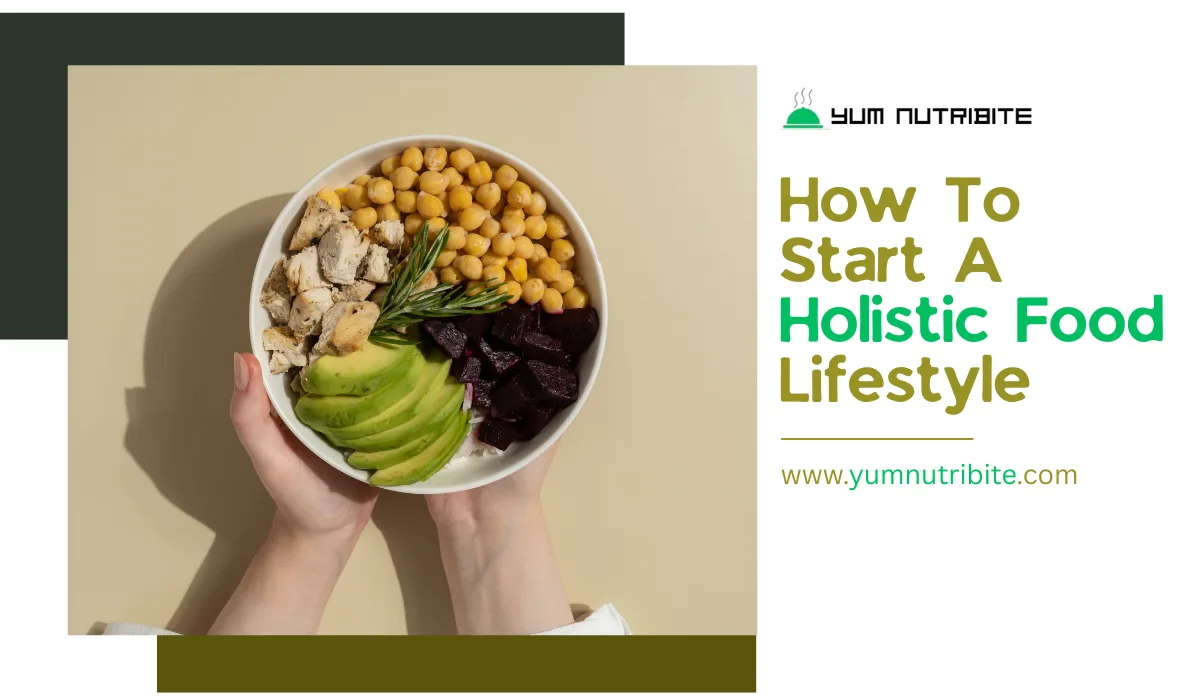
Beginning an whole-foods lifestyle has improved my health, energy, and also how I think about food. How To Start A Holistic Food Lifestyle when I talk about "holistic," I don't only mean eating salads, or cutting out desserts. I'm talking about examining food in a manner that is beneficial to my entire body, my mind and my everyday life.
In this article I'll guide you step-by-step, the process by which I got started on a holistic lifestyle in a straightforward and simple manner. I wrote this guide to help everyone--children and teens, as well as adults, understand the best ways to eat healthy without being overwhelmed. My aim is to make the information easy, simple and easy to follow.
What Is a Holistic Food Lifestyle?
At first, when I was introduced to of the term "holistic," it sounded complex. It's actually quite simple. A holistic lifestyle is eating a balanced diet that benefits your entire body. It's not just about weight loss or calories. It's about feeling satisfied being energetic, having energy, staying at peace, and promoting long-term health.
Holistic nutrition focuses on:
- Whole food
- Fresh fruits and other vegetables
- Clean proteins
- Healthy fats
- Good habits
- Be mindful when eating
- Understanding how food influences mood and energy levels
It is also about listening to my body rather than strictly following guidelines.
Read also: Easy Healthyish Snack Ideas for Work | Quick & Tasty Office Snacks
Why I Decided to Start a Holistic Food Lifestyle
I came to a point that I was exhausted every day. I was suffering from stomach issues and mood swings as well as fatigue. Then I thought "Do I want to live like this forever?" The answer was no. Holistic nutrition helped me:
- Feel more motivated
- Make sure you think clearly
- Improve digestion
- Sleep better
- Eliminate cravings
- Stay calmer
As I watched these subtle changes taking place each week, I realized why so many people adore this way of life.
Finding My "Why"
Before making any changes I questioned myself what was the reason I chose to live the way I do. Was it to improve my health? For energy? To find peace in your mind?
My motives were:
- It was my desire to be more light.
- I was hoping to not feel tired after each meal.
- I was looking for a calm stomach.
- I was looking for long-term health.
When you record what you believe is your "why," you get greater motivation. It's much easier to stay focused even when you're overwhelmed or overwhelmed.
Checking My Current Eating Habits
I completed a 3-day "food and mood" check. I wrote down:
- What I ate
- What a wonderful feeling it affected me
- When I felt hungry
- When I felt full, I was
- I had a snack to escape boredom
This was a significant step. I discovered that certain foods gave me energy, while others made me exhausted. Some of my snacks were just habit that were not really hungry. Understanding my habits was helpful in helping me to understand what I needed to change.
Understanding What Makes Food "Holistic"
Holistic food is:
- Fresh
- Natural
- The earth is the source of it.
- The less processed
- Simple and real
Examples include:
- Fruits
- Vegetables
- Beans
- Lentils
- Nuts
- Seeds
- Whole grains
- Eggs
- Fresh fish
- Clean meats
- Olive oil
- Avocado
Holistic eating isn't about being perfect. It's about choosing food choices that allow your body to function efficiently.
How I Build a Holistic Plate

To simplify the process I employ this simple plate formula:
- Half plate A colorful plate of fruit or vegetables
- 1/4 plate: protein (fish, eggs, beans, chicken, tofu)
- 1/4 Plate nutritious carbs (brown rice and quinoa), oats sweet potato)
- A tiny quantity is a good source of good fat (avocado and seeds, nuts and olive oil)
This balanced plate makes me feel happy and full without overeating.
Examples:
- Oatmeal with nuts and fruit
- Rice bowl with vegetables + chicken
- Salad with eggs and seeds and olive oil
- Stir-fried vegetables, tofu, and brown rice
What I Eat and Drink Every Day
Here are my everyday staples:
Fruits
Apples, berries, banana, oranges, grapes, mango, pineapple.
Vegetables
Carrots, cucumbers, tomatoes, spinach, broccoli, peppers, sweet potato.
Proteins
Eggs, tofu, chicken, fish, chickpeas, lentils, yogurt.
Healthy Fats
Avocado, olive oil, nuts (almonds, cashews), seeds (chia, flax).
Smart Carbs
Quinoa, brown rice, oatmeal whole grain breads or pasta.
Drinks
- Water
- Coconut water
- Lemon water
- Herbal teas
- Sometimes freshly squeezed juice
Foods I Limit
- Extra sweet snacks
- Soda
- Fast food
- Chips packaged in packages
- Foods that are very oily
I don't remove everything completely. I choose to do better the majority of the times.
Read also: How To Enjoy Healthyish Holidays
Taking Care of My Gut Health
Gut health is a major factor in a holistic way of life. If my digestion is in good shape my mood and energy are also improved.
I've added:
- Yogurt
- Kefir
- Kimchi
- Sauerkraut
- High-fiber foods
- Plenty of water
I take my food in a slow and steady manner and avoid eating in rushes and ensure I don't eat too late at night.
Mindful and Intuitive Eating
Mindful eating has changed my life. Instead of eating a meal fast or watching TV I make an effort to concentrate on my food.
Here's what has helped me:
- Consuming food slowly
- Chewing with care
- Stopping when I am feeling 80 percent full
- A few deep breaths prior to eating
- I was putting my phone away while I eat
I also learned how to distinguish the difference between
- Emotional hunger (bored, stressed, tired)
- Real hunger (stomach growling, energy dropping)
The way I listened to my body helped me feel more secure and healthier.
Meal Planning That Actually Works
Healthy eating became easier once I began creating my menus. Here's a quick and easy routine that I have developed:
- Pick 3 or 4 proteins to be used to eat during the week
- Choose 3-4 veggies
- Choose 1-2 healthy carb sources
- Make a few things in advance
- Make sure you have snacks and meals ready
A sample weekly schedule:
- Monday: Chicken + veggies + rice
- Wednesday: Lentil soup + salad
- Wednesday: Fish + quinoa + vegetables
If I cook things in advance I can avoid eating unhealthy food.
Eating Holistically on a Budget
A lot of people believe that holistic eating is costly however it doesn't need to be.
I can save money by:
- Buy seasonal vegetables and fruits
- Selecting frozen vegetables
- Bulk buying of grains
- Cooking meals at home
- Reusing leftovers
- Picking beans and lentils (very cost-effective)
Budget-friendly meals:
- Oats topped with fruits
- Rice and lentils
- Veggie stir-fry
- Eggs + toast + veggies
Simple food items can be effective.
Handling Cravings and Emotional Eating
The urges are common to all of us, even me. Now I know why.
Reasons for cravings:
- Not eating enough
- Unbalanced meals and not eating them
- Stress
- Boredom
- Sleep deprivation
To control my desires I:
- Make sure you drink plenty of water before drinking it.
- Wait for 10 minutes
- Check if I'm real hungry or emotional
- Try a healthier version my favorite foods
If I truly need a treat, then I will eat it with no guilt and then move on.
Read also: How To Make Healthy Lifestyle Choices
Making Holistic Eating Fit My Daily Life
My life is hectic and I'm in need of easy tricks:
- I bring snacks with me during my outings
- I always carry my water bottle
- I prefer better choices when dining out.
- I am careful not to skip meals.
- I usually include a vegetable in my lunch and dinner
Holistic diets are beneficial for students, parents, workers and everyone else with hectic schedules.
My 7-Day Beginner Plan
Here's the basic program I followed:
- Day 1: Include one fruit
- Day 2: You can add one more vegetable
- Day 3: Take 6-8 glasses of water
- Day 4: Get a well-balanced breakfast
- Day 5: Try a mindful meal
- Day 6: Switch one snack that is processed for a nutritious whole-food option
- Day 7: Make a simple home-cooked dinner
Small steps can lead to big outcomes.
My 30-Day Roadmap
1 Week: Awareness
- Observe habits
- You can add additional water
- Include fruits and vegetables
2 Week: Balance
- Create plates that are holistic
- Reduce sugar
- Incorporate healthy fats
3 Week: Lifestyle habits
- Be mindful when eating
- Manage the cravings
- Sleep better
4 Week: Personalization
- Try out new recipes
- Find your most loved foods
- Create a routine that is robust
This program helped me remain constant and without anxiety.
Common Mistakes I Avoided
As I began making my way through the process, I made some errors. Afterward, I fixed my mistakes.
Most common mistakes:
- Doing everything to be perfect
- Not eating enough
- Thinking about every meal in the kitchen
- Following strict diets
- Inattention to drink water
- Sleep is not being paid attention to
- Slicing out too many different foods at the same time
Holistic eating should be easy to digest and not stressful.
FAQ's: How To Start A Holistic Food Lifestyle
Q1. Does a holistic lifestyle in food the same as a vegan diet or vegetarian?
No. It is possible to be holistic with or without animal food. It is based on the body.
Q2. Can I still enjoy pizza or desserts?
Yes. Balance your diet and indulge in treats from time to time.
Q3. How long will it take to see the changes?
Certain people feel better after just a week. More dramatic changes can take a month or longer.
Q4. Does holistic nutrition pose a risk to all?
Most of the time, yes, but those who suffer from medical conditions should talk with a doctor or dietitian.
My Daily Holistic Routine
Here's a look at what a typical day is like for me:
Morning
- Lemon water that is warm
- Breakfast balanced
- Take a few breaths
Afternoon
- Veggie-rich lunch
- Short walk
- Healthy snack
Evening
- Light dinner
- Herbal tea
- Do not eat with screens
- Gratitude moment
This routine helps me stay calm and active.
Conclusion: How To Start A Holistic Food Lifestyle
Beginning with a whole-food lifestyle is one of the most rewarding decisions in my entire life. How To Start A Holistic Food Lifestyle it wasn't an overnight change. I started small in my journey, learned to pay attention to my body and was patient with myself. Today, I am feeling healthier as well as more light and tranquil. The most important thing? Anyone can achieve this. It doesn't require fancy foods and expensive diets. All you need is a bit of awareness, some planning, and lots of love for yourself. If you adhere to these steps each day at an time your body and mind will be grateful to you.
What Are Trending Foods Right Now: Latest Food Trends to Try

Calories in a Dinner Roll with Butter: Nutrition Facts & Health Tips
Easy Healthyish Snack Ideas for Work | Quick & Tasty Office Snacks

Simple High-protein Breakfast Meal Preparation

Slow Cooker Beef Stew Recipes

Best Date Night Dinners Chicago